
How It All Started
The project began with Akash Dhayani, who took the very first step in shaping what the game would eventually become. Instead of jumping straight into combat or zombie mechanics, he focused on creating the world first — the place where everything would happen.
He built a dark jungle map, set it at night, and worked on the overall atmosphere.
The fog, the shadows, the lighting, the feeling of being surrounded by trees — all of that was crafted by him.
Along with the environment, he also set up the first-person controller, the basic shooting structure, and the initial layout of how the player moves through the map.
When you watch the gameplay, the mood, the environment, and the sense of space — that foundation is entirely from his work. It gave the project direction before any zombies or AI existed.
The Original Plan Was NOT a Zombie Shooter
Believe it or not, this project didn’t start as a zombie shooter at all.
We were trying to make a horror game — something slower, creepier, more psychological.
But as we started experimenting with interactions and movement, we naturally found ourselves leaning toward action instead. The jungle map felt like it needed chaos, not silence.
So we dropped the horror plan and said:
“Forget it… let’s make a zombie shooter.”
And honestly, that was the best decision we could’ve made.
Getting Deeper Into Development
Even though I’ve been part of the project from the beginning, I was caught up with another task early on. So while Akash Dhayani was setting up the environment and first-person base, I joined in properly once those pieces were ready — and that’s when I started shaping the gameplay systems.
My main focus became bringing the world to life through AI and combat. I worked on:
- Zombie navigation and pathfinding
- Enemy behavior — chasing, attacking, reacting
- Player shooting, damage, and feedback
- Score and kill tracking
- Hit reactions and enemy death logic
Once these systems started working together, the game instantly began feeling more alive and much closer to the zombie shooter we had in mind.
Adding the Dog Companion (My Favorite Part)
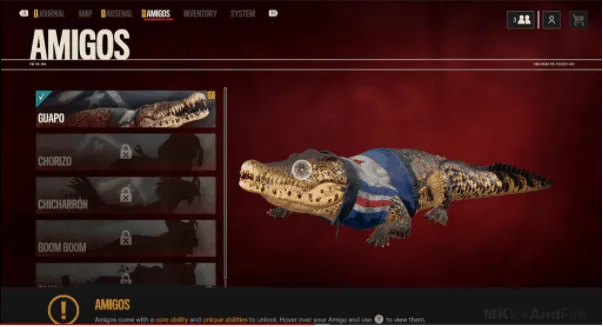
One day during development, an idea hit me out of nowhere — inspired by games like Far Cry, where your dog companion helps you in battles.
FAR CRY 6
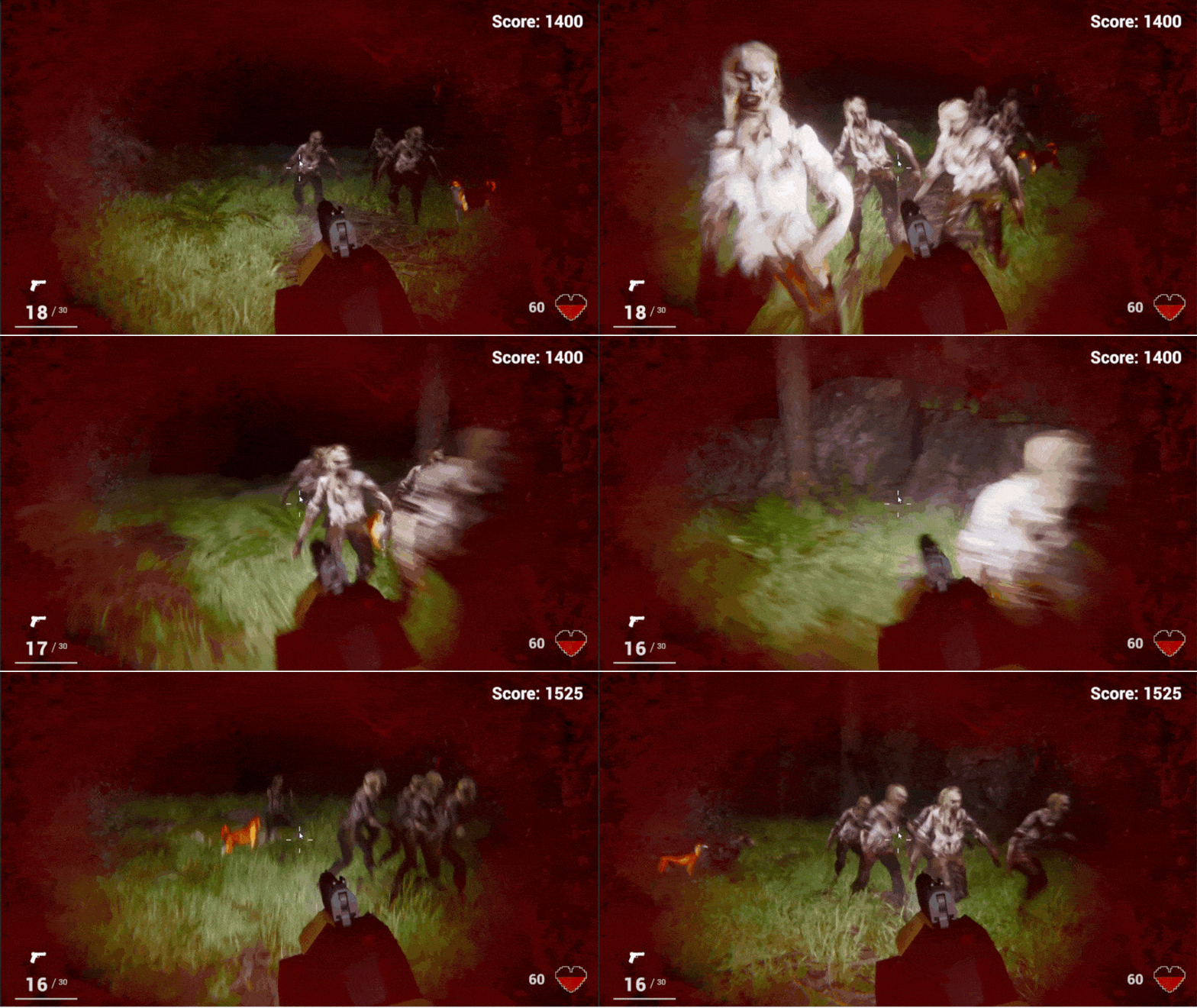
OUR ZOMBIE SHOOTER
I thought:
“Why don’t we have a companion in our game too?”
So I searched around, found a good dog model, dropped it into the project, and started coding a full AI companion.
What the Dog Can Do
- Follows the player naturally
- Listens when you point somewhere and sits/stays
- Goes into attack mode when you shoot
- Targets the same enemy you shoot
- Helps finish off zombies during fights
It completely changed how the game feels.
Suddenly you aren’t alone in a dark jungle — you have someone with you. And that “someone” is loyal, fast, and actually helpful.
It added personality and made the game feel more cinematic.
Cinematic Headshots – Inspired by Sniper Elite
This feature was just pure fun for me.
You know how in Sniper Elite, if you land a long-distance headshot, the game goes into slow-motion and shows the impact?
I wanted something like that — not too long, not too flashy, just a quick cinematic moment that feels satisfying.
SNIPER ELITE
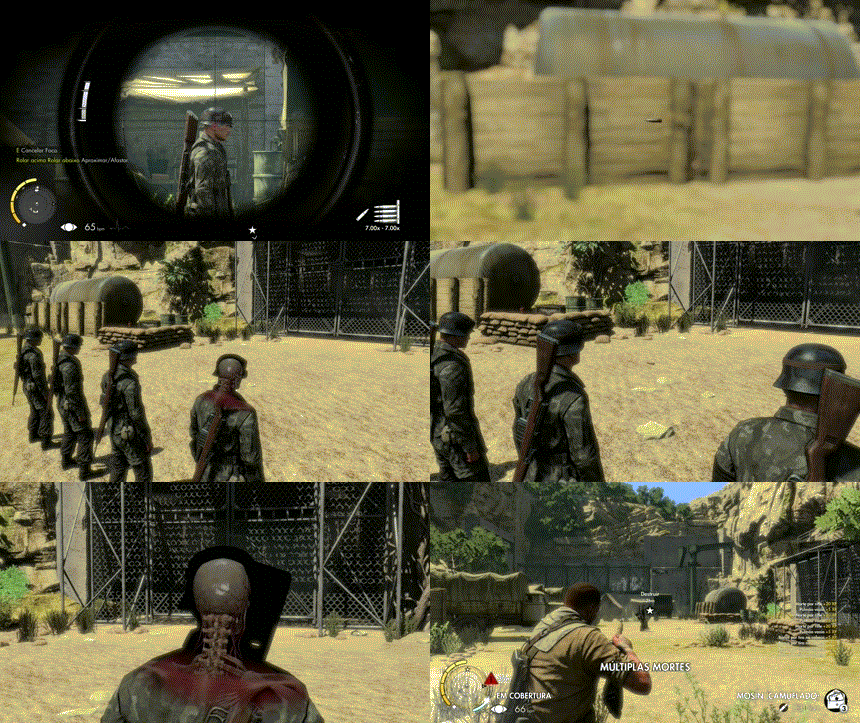
OUR ZOMBIE SHOOTER(CHEAP VERSION LOL)

So I added a feature where:
- If you hit a zombie in the head from far away
- The camera switches into a small cinematic view
- You watch the zombie drop in a cool slow-motion angle
It’s honestly one of the most satisfying parts of the game.
Even we replayed it multiple times just to see the cinematic shots in action.
Bringing Everything Together
Once all the major systems were working — the jungle map, the zombies, the companion, the shooting — the project finally started feeling like a real game. But there were still a lot of small, important pieces missing that make everything feel complete.
So this phase became more about polish than big features.
I spent time setting up:
- the home screen,
- the gameplay UI,
- the score and bullet counter,
- and the small effects that help the player understand what’s happening.
It might sound simple, but these little pieces are what make the game actually playable. Without a clean UI, players feel lost. Without a proper home screen, the game has no starting point. And without bullet and score displays, you don’t feel the progress while playing.
Around this time, Shahbaaz also stepped in and helped a lot.
He gave us honest feedback about the UI — what looked cluttered, what could be cleaner, what felt out of place — and helped guide the overall presentation. His suggestions made the game look more polished and visually balanced, and that made a big difference in how the final build feels.
By the way, if you haven’t seen his work yet, Shahbaaz has also developed a game called For Aerolite, available on Steam.
By the time all these elements were in, everything finally connected.
Not just technically, but visually and emotionally too.
That’s when it really felt like we had a complete zombie shooter — something that looked right, played right, and felt satisfying from start to finish.
Final Thoughts
This zombie shooter is the result of two developers building whatever felt right — experimenting, failing, trying again, and slowly shaping something we’re proud of.
- Akash Dhayani built the world, the atmosphere, the movement, the look and feel.
- I built the AI, the combat, the companion, and the cinematic moments.
Together, we made something that started as a random idea… and became a full playable experience.
It’s not just a game.
It’s a journey we genuinely enjoyed.
4 responses to “How We Built Our Zombie Shooter!”
-
Interesting read, loved the whole journey!!
-
Cheers!
-
-
Nice concept and the process of ideation build-up was very exponential! Would make an amazing campaign game with RPG elements to indulge the audience. Great scope of Work!
-
Cheers!
-


Leave a Reply to KDR Cancel reply